Live in an ikebana master’s home in Kyoto.
-
Your own room in her houseOne or two guests at a time.
-
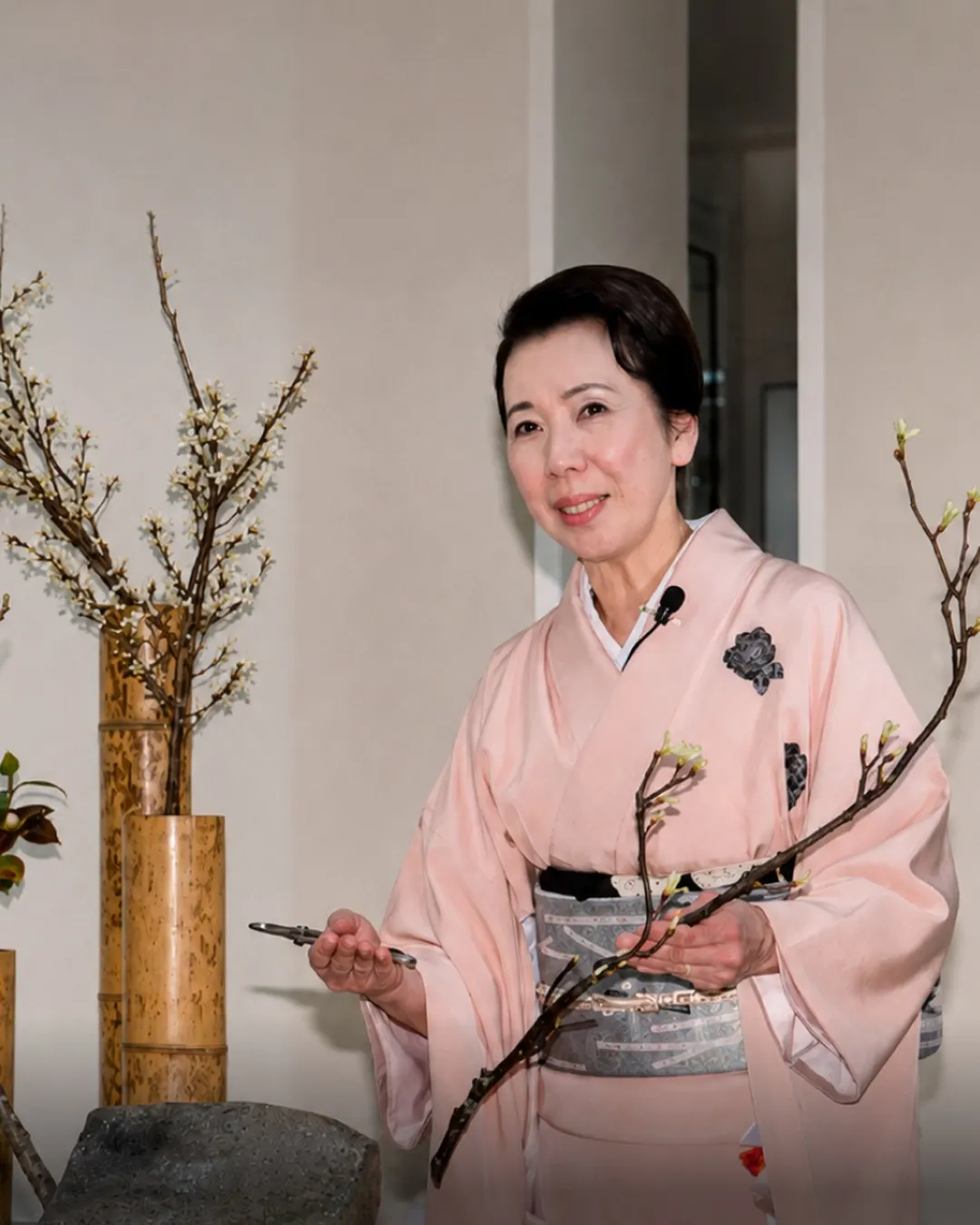
Ikebana with Yukiyo KoyamaFourth-generation head of her school. Beginners welcome, no Japanese needed.
-
About one monthFrom ¥500,000 per person
A short form. No booking, no payment.
The care in small things
How a flower is placed. How a room is made ready for a guest. In this house you see that care every day, and learn it slowly, by living near it.
Her flowers
By Yukiyo Koyama: in the house through the seasons, at shrines and festivals in Kyoto, and in Paris.
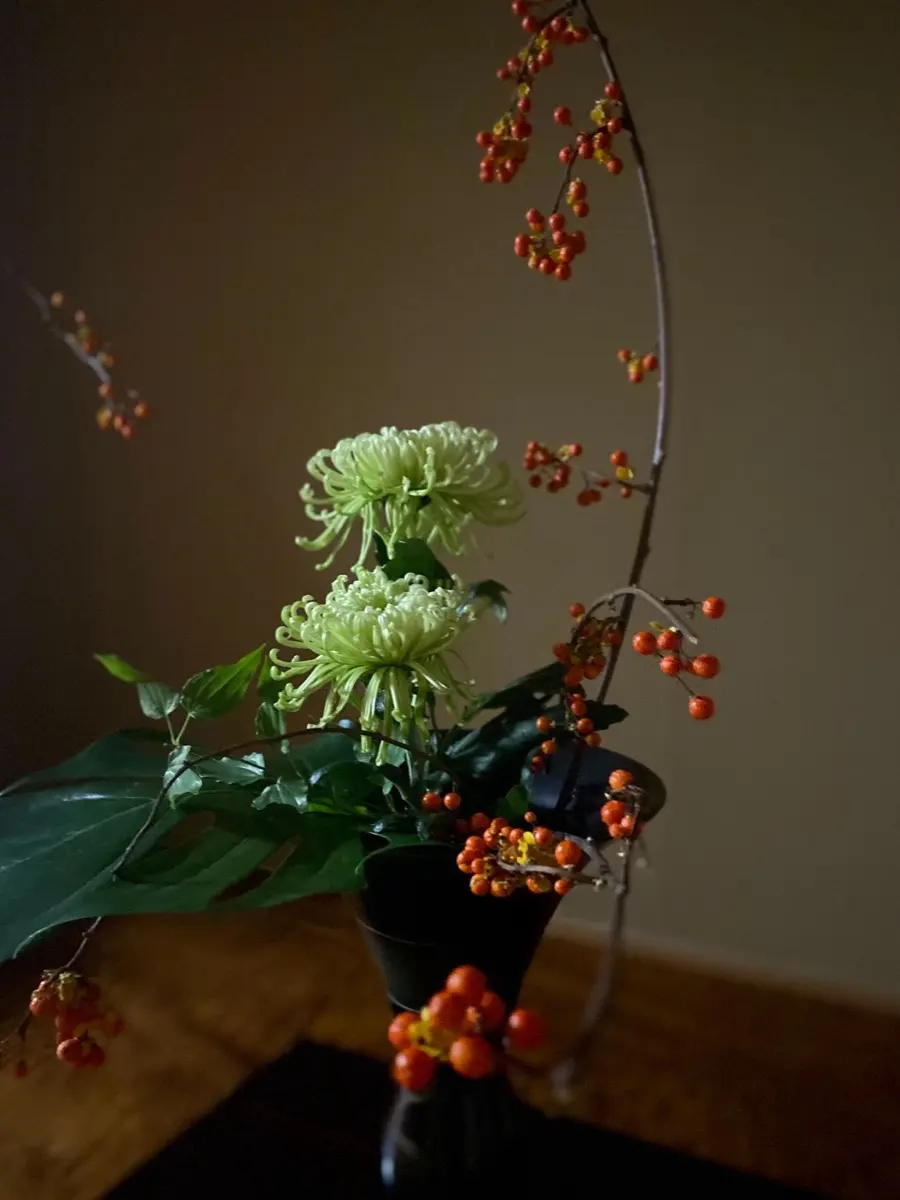
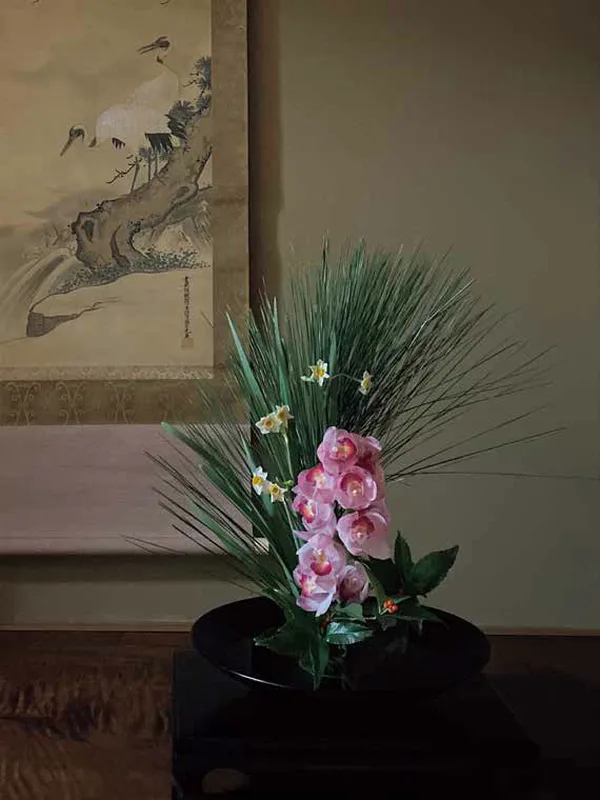
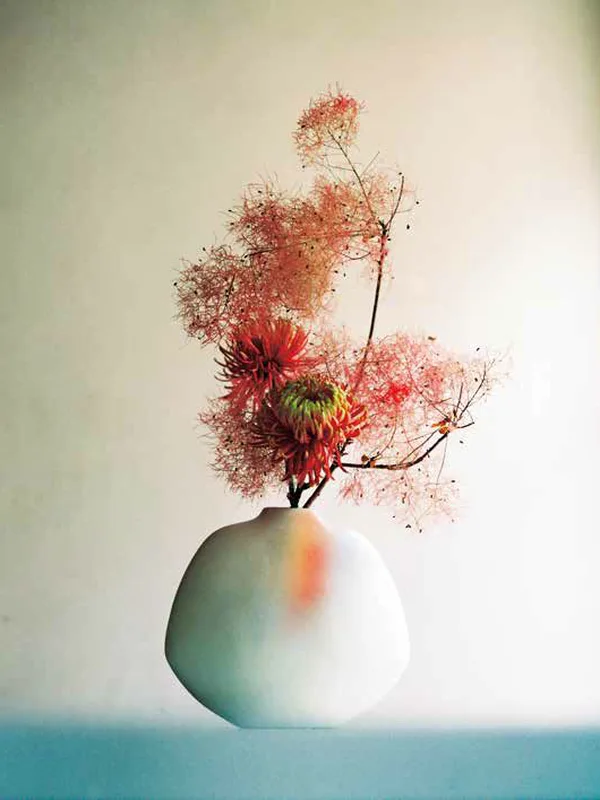
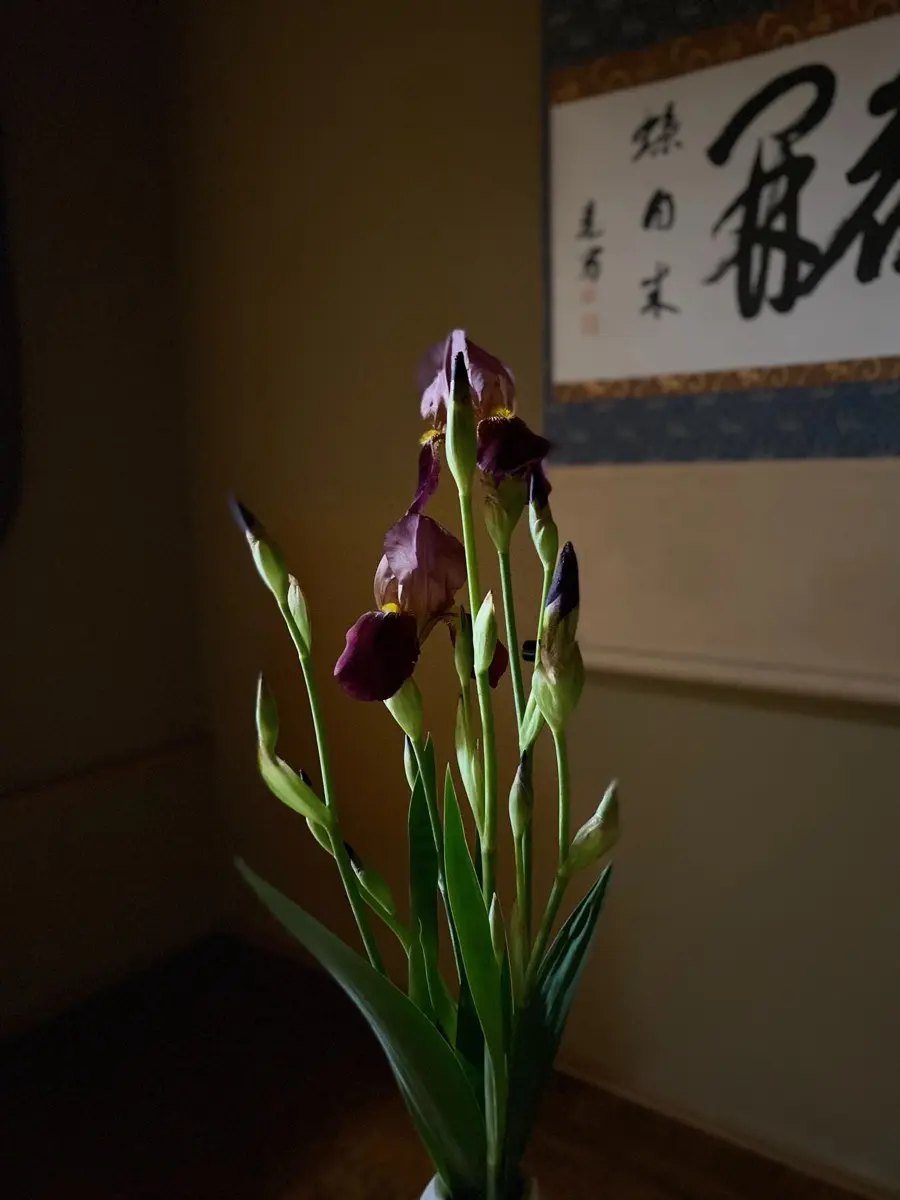
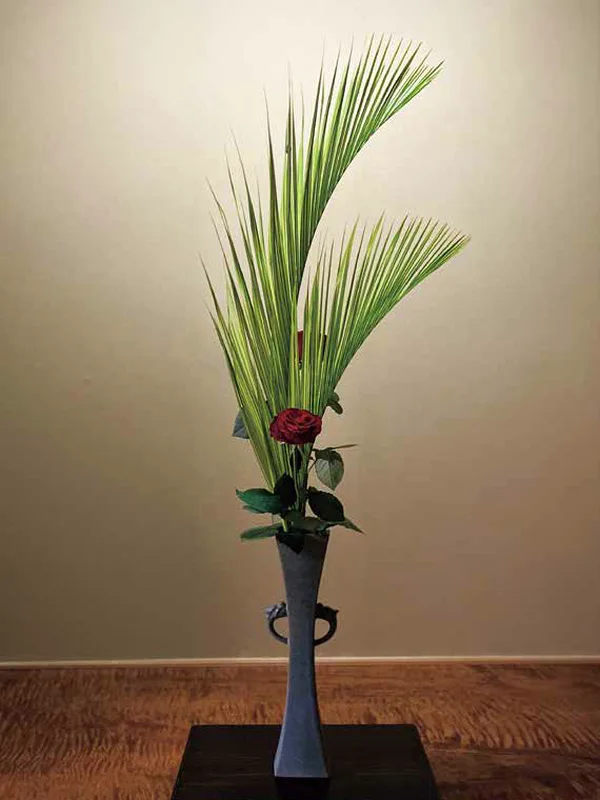
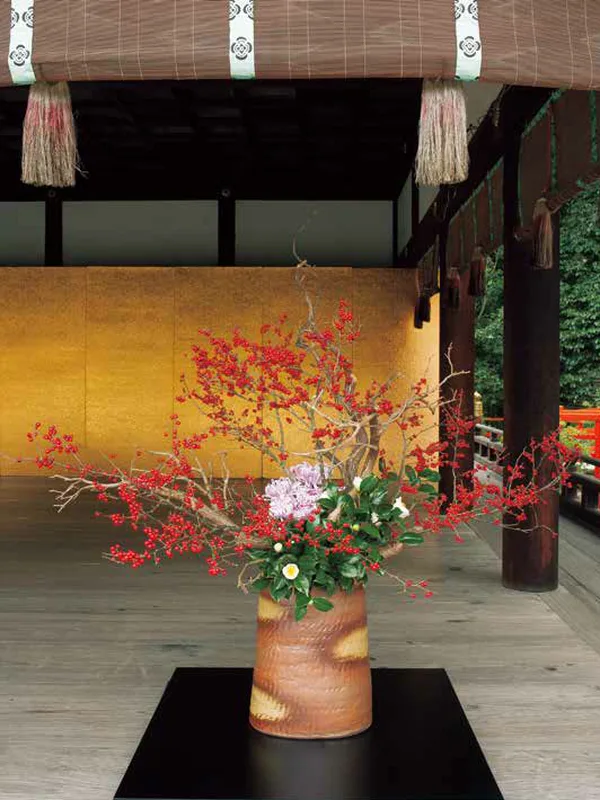
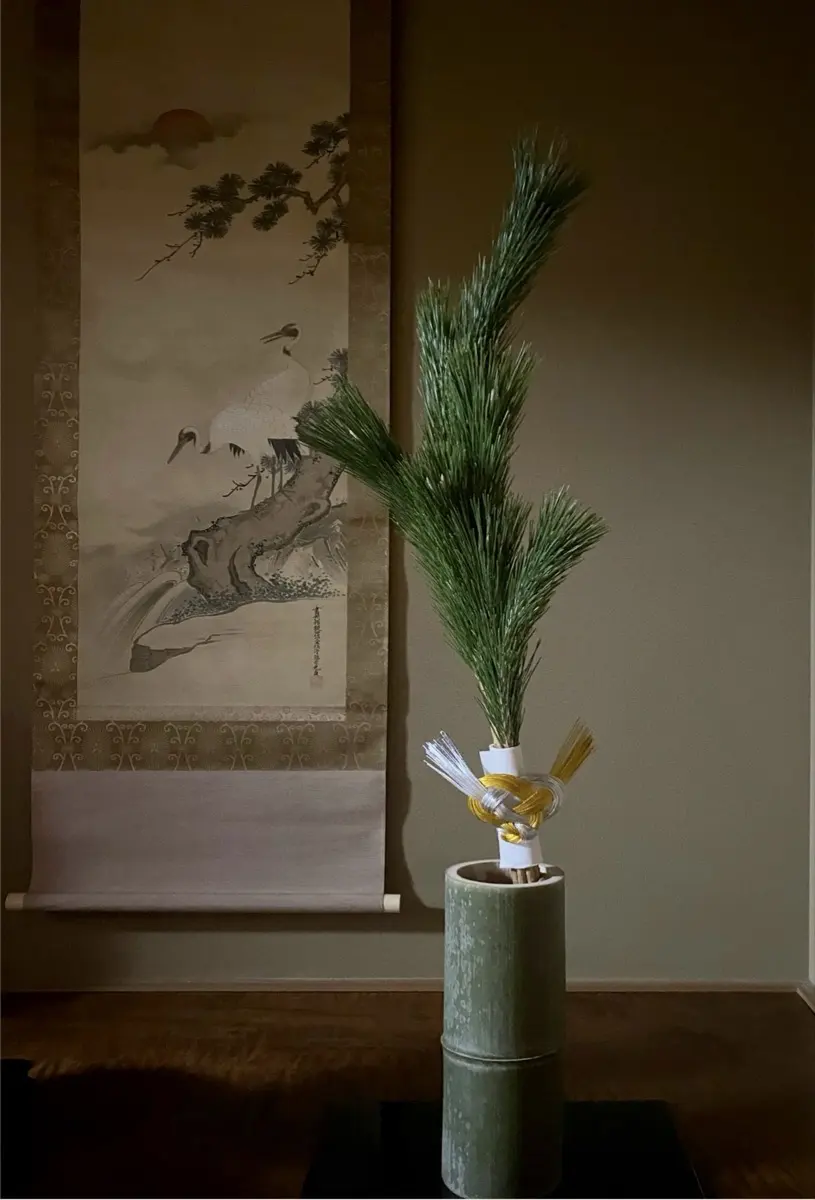
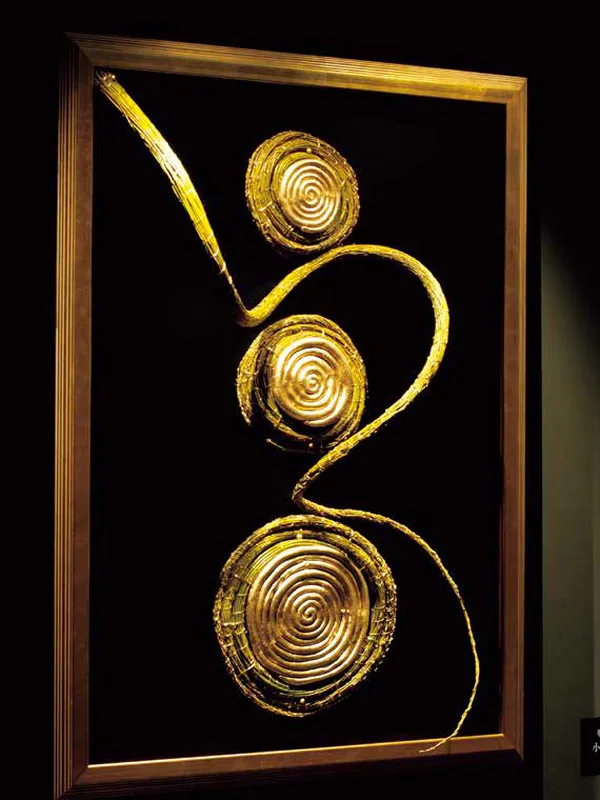
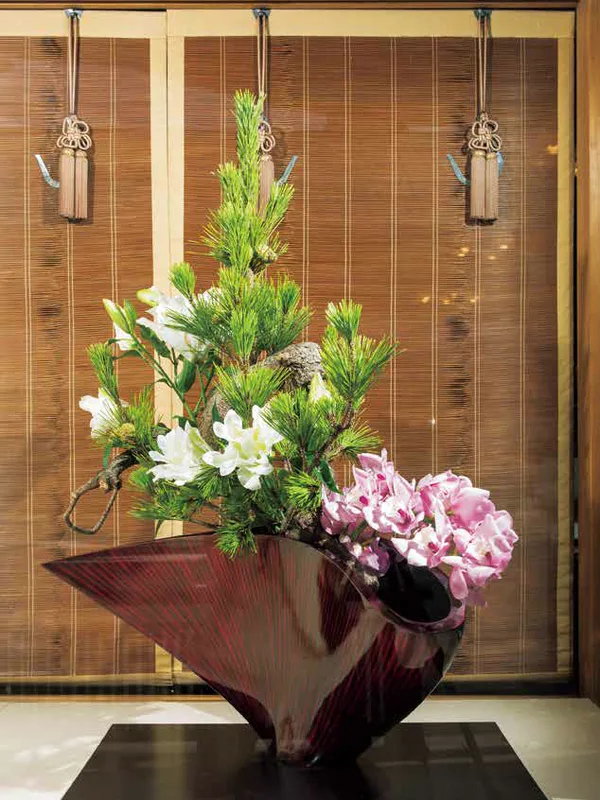
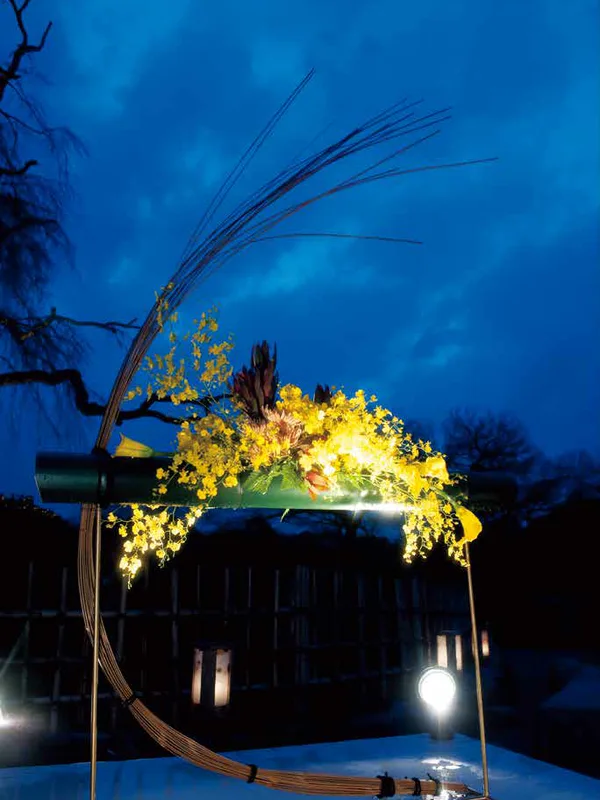
New arrangements and daily scenes, every week.
Follow on InstagramA month here
You practise ikebana with the teacher about twice a week. The rest of the days are your own.
-
Practice in the house
Where you live, shaped by the season and your interests. You start from one of her school’s clear forms, so beginners know where to begin.
-
Between lessons
Because you live where she works, you also see how she chooses a flower or a vessel, and how she puts a room together.
-
Days of your own
Walk, cook, read, work or rest. No packed schedule.
Beyond ikebana
Not everyone comes for ikebana. Around what draws you, we arrange a few encounters through teachers and friends we know in Kyoto.
-
Behind the scenes
When her exhibitions or ikebana events fall during your stay, come along and see the preparation.
-
Tea
A seat at a matcha or sencha lesson with a tea teacher.
-
Pottery
A day of making with a ceramic artist, at her home.
-
Zazen
Sitting meditation at a Zen temple in Kyoto, held every week.
-
Something of your own
Writing, research, cooking or a craft you already practise. Tell us in your application, and we will see what Kyoto can offer.
Each one depends on timing and on the people involved, so we arrange them individually. Those we agree in advance are included in the fee.
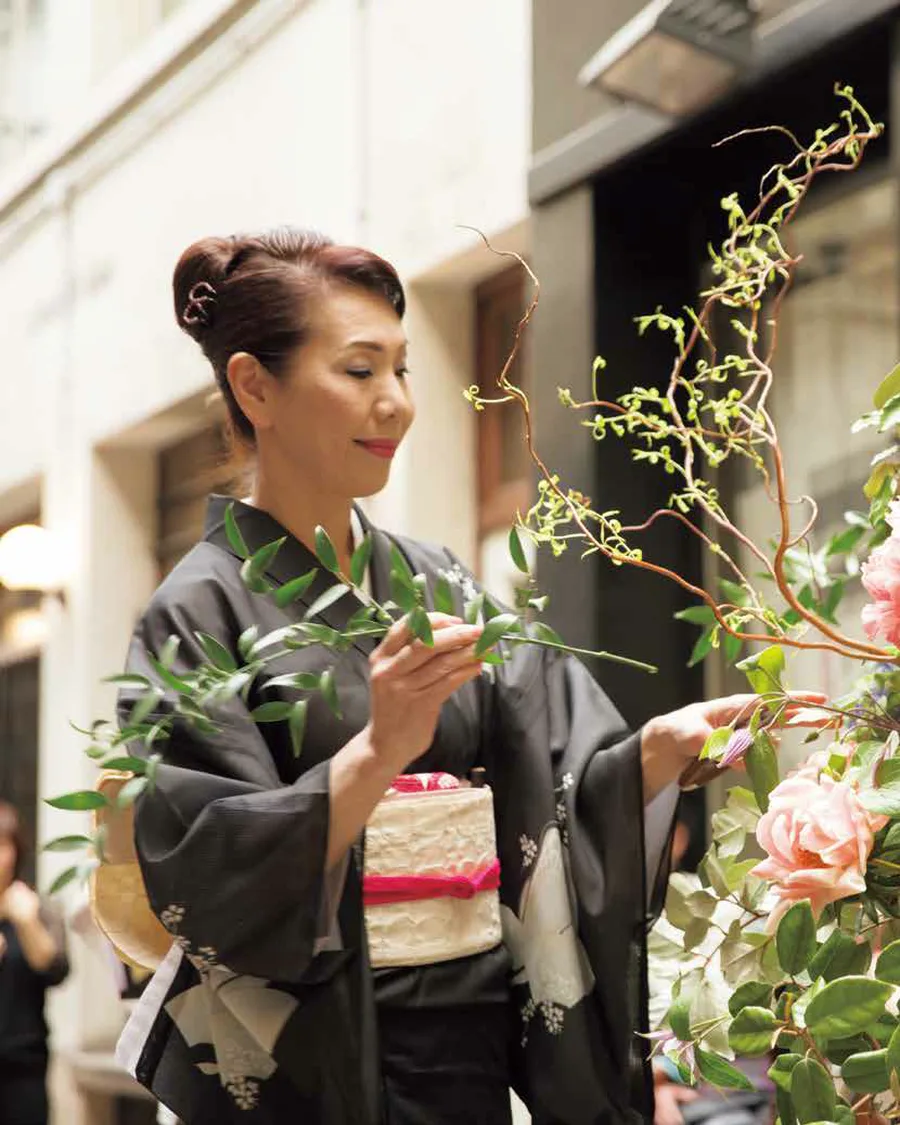
Yukiyo Koyama
Fourth-generation head of Kado Expressionism. For more than sixty years she has explored ikebana, tea and the arts around them, learned from many teachers, and shaped what she learned into a contemporary ikebana of her own.
-
Raised in ikebana and tea
Born into the family of her school, she learned ikebana and tea as a child. She is a trained Urasenke tea instructor, and has long explored pottery as well.
-
Many teachers, a style of her own
She studied with many teachers of ikebana and flower design, among them a Dutch flower designer, and holds Dutch and European diplomas. Plant sculpture, collage and installation are part of her work too.
-
Many students from abroad
She has taught students from outside Japan for many years, and has shown her work in Paris and Aix-en-Provence.
More about Yukiyo Koyama
Born the eldest daughter of a family of ikebana headmasters in Kyoto, she has practised for more than sixty years and taught for more than forty. She has led her school, founded about a century ago, since 2008.
She began studying Western flower design in 1978, earned a Dutch flower arrangement diploma in 1996 and a European florist diploma in 1999.
Abroad
- 2009Edinburgh-Kyoto cultural exchange
- 2010Ikebana performance and tea gathering at Atelier Cézanne, Aix-en-Provence
- 2010Joint exhibition with a sculptor, Paris
- 2012Performance at a French-Japanese event held by the City of Paris
- 2016GRAND MATSURI, Passage des Panoramas, Paris
In Japan
- 2003Ikebana exhibition during Gion Matsuri, Kyoto
- 2009Solo show, Gallery Yugen, Ginza, Tokyo
- 2011Ikebana at Shimogamo Shrine, a World Heritage site, Kyoto
- 2018A performance with flowers and gold leaf
- 2023Exhibition at Gion Ishi Gallery, Kyoto
Books
- 2005Floral Healing (Tankosha, Kyoto)
- 2024The textbook of her school, on its sixteen forms
She is also an Urasenke-trained tea instructor, and her family’s roots reach back to a Uji tea merchant founded in 1861.
The way of flowers
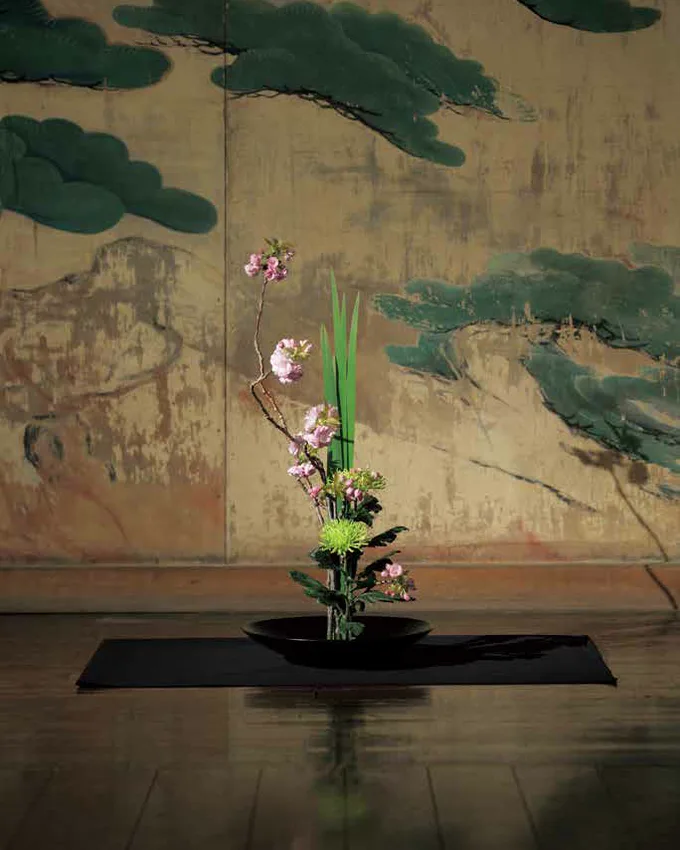
Her school began about a hundred years ago, in the Taisho era, when new freedoms were reaching Japan. It asks you to honour nature, and to let flowers reflect the way you live.
“Do not contrive. Create.”
From the founder’s ten virtues
-
Nature as a friend
With nature as your friend, there is comfort even when you are alone.
-
Harmony and respect
Flowers made for guests carry harmony and respect, and teach kindness and humility.
-
Shared with the viewer
Work made with conviction draws the viewer in as well, and quiets the heart.
Read her essay, “Being myself”
I have sought this answer while facing flowers. Creating what one perceives as “beautiful” in encounters between people and flowers is my vocation.
Flowers nurtured in nature inherently have a charm, teaching me that there is an ideal form in their natural state. This applies not only to flowers but to all things, including people.
Ikebana and flower arrangement have evolved under distinct cultures in their respective countries. While flower arrangement doesn’t have the same spirituality as Ikebana, it allows people to give flowers with heartfelt intention. Despite differences in countries and cultures, flowers, which are a blessing of nature, may be connected in a large circle.
Ikebana involves cutting the life of plants and crafting a new form of beauty from them. The creator must resurrect these plants into an artwork more beautiful than their original state in nature. To do this, one must continually expose oneself to beauty, observe nature, and refine one’s inner self.
Days spent walking alongside flowers have been a joy for me. I derive happiness from creating artworks based on my aesthetic sense, and if I can share this joy with others interested in flowers, I am delighted.
With gratitude for every encounter with all forms of life.
Yukiyo Koyama
The house
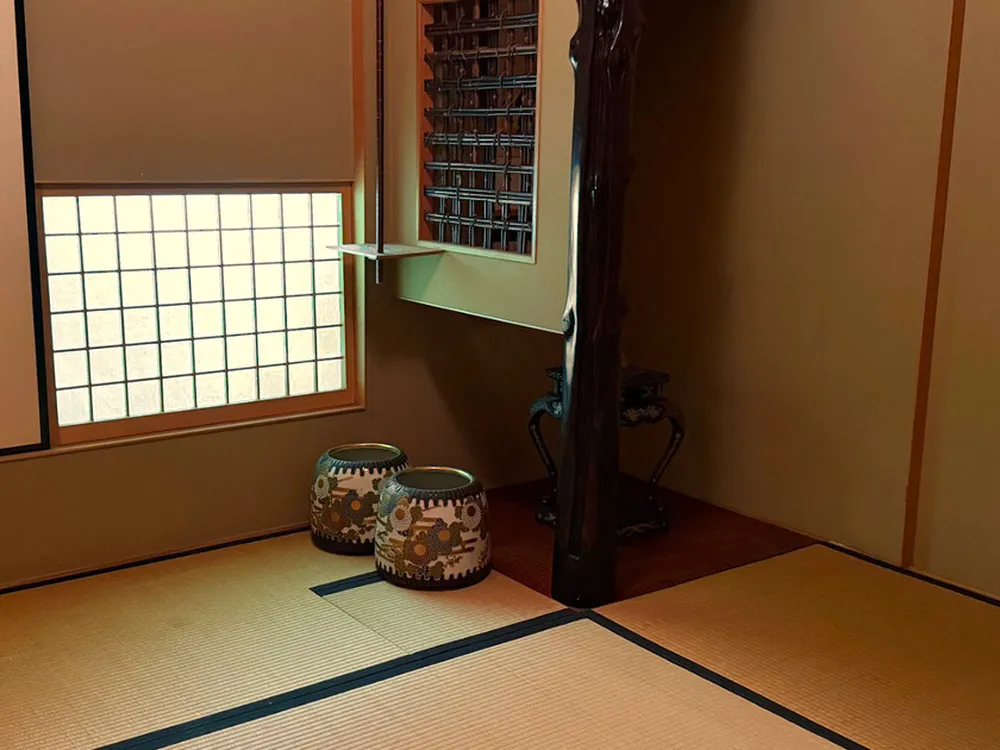
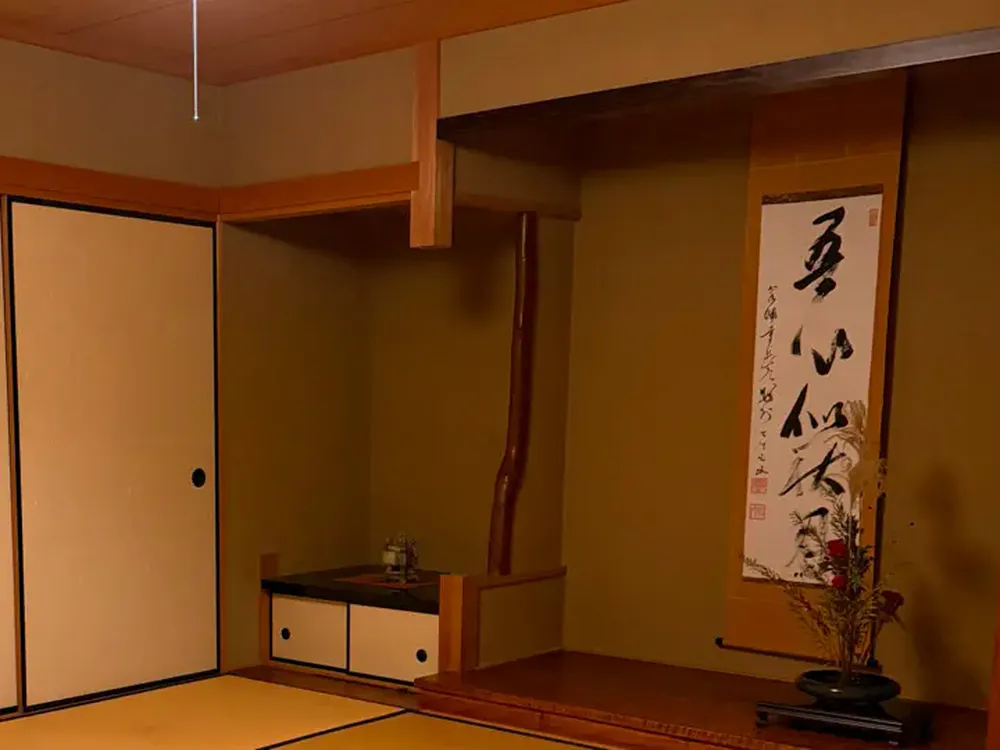
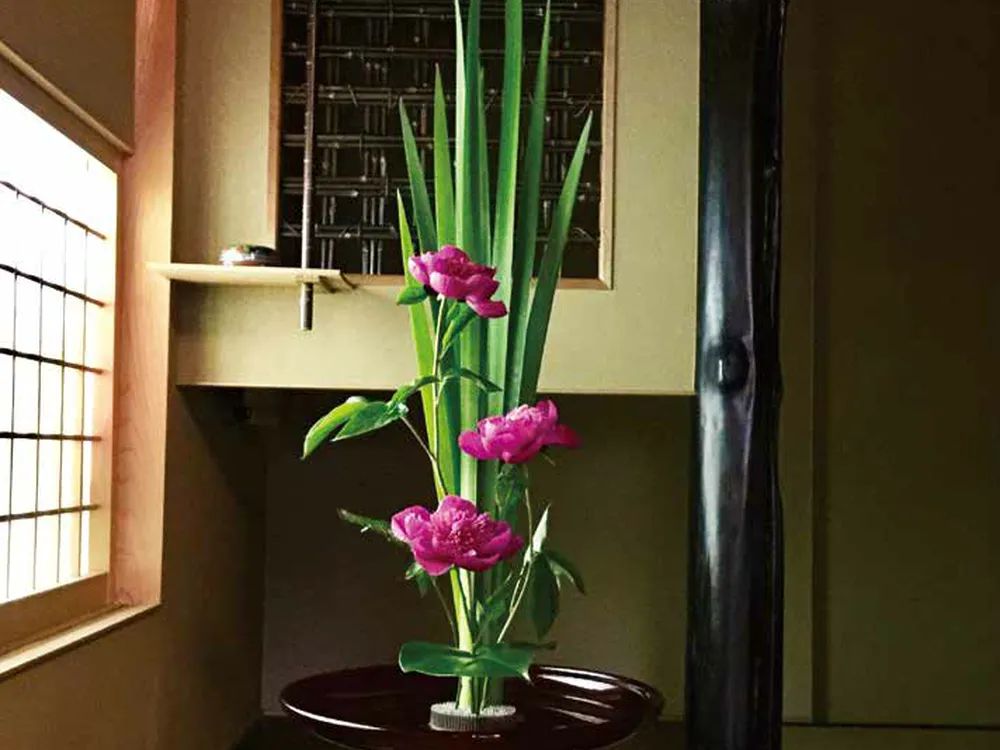
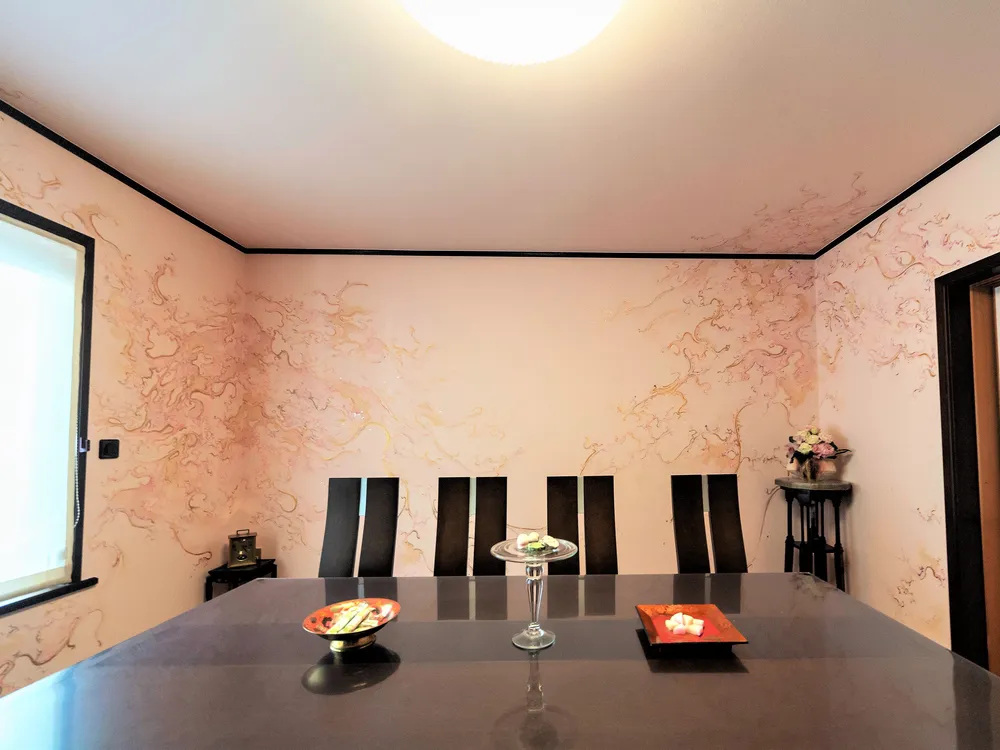
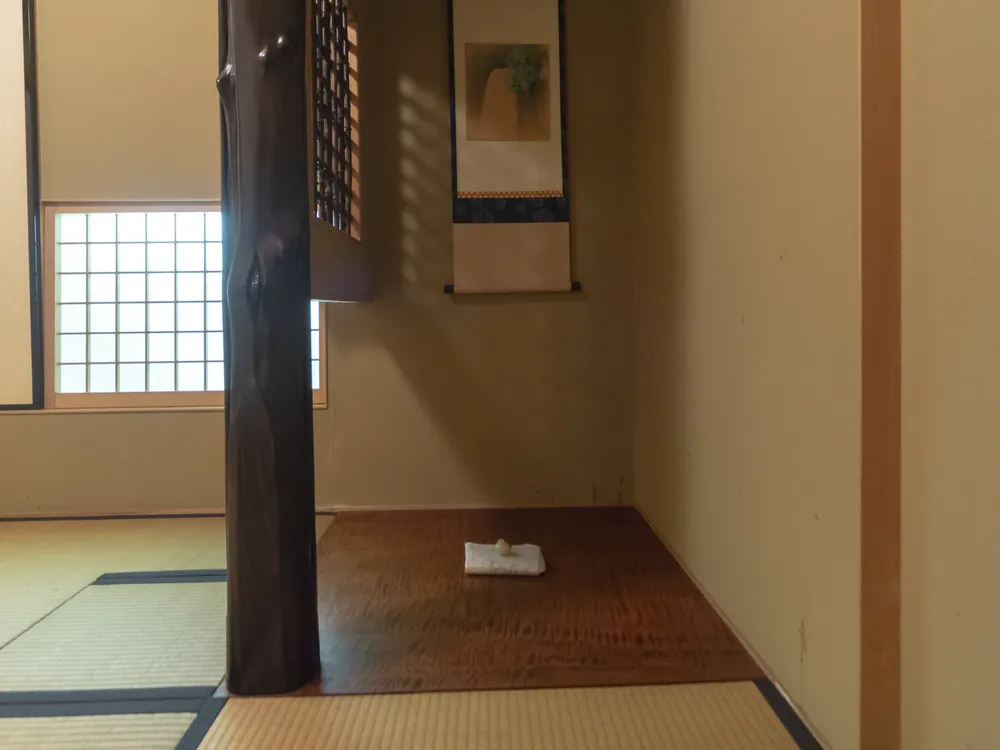
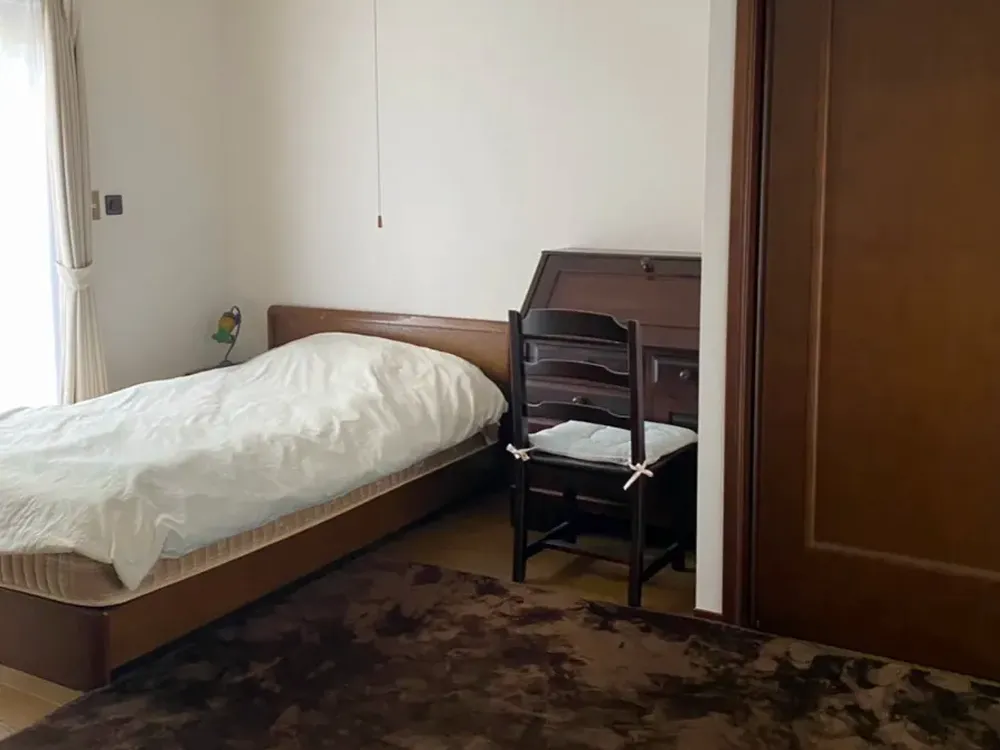
The teacher’s home and studio, lived in every day: three storeys, with Japanese- and Western-style rooms, a tea room and an inner garden. Parts show age and daily use.
-
A quiet part of Kyoto
A residential area of Fushimi, in the south of the city, with few tourists.
-
Close to the centre
About a 6-minute walk to Tambabashi Station on the Keihan Line, where express trains stop. About 15 minutes to Gion-Shijo, and Sanjo and Osaka are on the same line.
-
Your room
A bed and a desk, with the kitchen and bath shared. Rooms differ, so we agree on your room with you before anything is confirmed.
-
Who lives here
The teacher and some of her students, with one or two guests at a time. Our first guests have come from the United Kingdom, the United States and China.
What the house provides
Wi-Fi, air conditioning and heating, a washing machine, basic cookware, tableware and bedding.
A cat lives on the second floor and is kept out of the guest area. If you have a serious cat allergy, or if stairs, bathroom access, a place to work or room temperature matter to you, please tell us early.
Why I started this
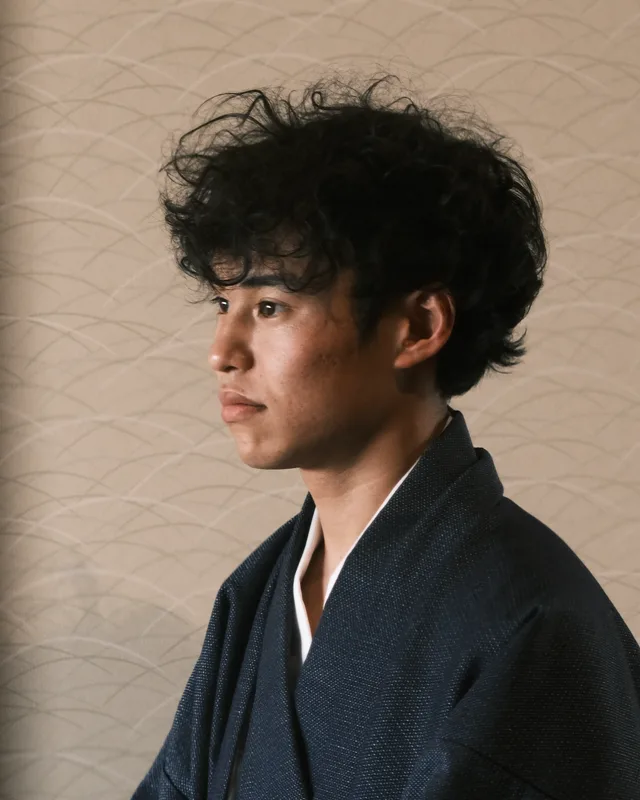
Junpei Omura
Founder and your host
Travelling, I learned that a culture opens to an outsider only when someone inside brings you along.
In the United States, a mentor’s friends took me into their churches. In Yunnan, a friend drove me to a village I could never have reached alone. In Mongolia, I lived with a herding family. Kyoto Cultural Residency is my way of doing the same in my own city, with my ikebana teacher, Yukiyo Koyama.
I read every application myself, keep in touch throughout your stay, and help with language where it matters. This is not a polished hospitality business. It is a home, a teacher with her own rhythm, and a host who is still learning.
Is it for you?
For people who want one slow month in one place.
Good fit
- You have been to Japan, and want a slower, deeper month rather than sightseeing
- You are drawn to ikebana, tea, craft or simply quiet daily life
- You want time to make, write or reflect
- You will respect the teacher, the house and the neighbours
Not a fit
- You are mainly looking for inexpensive lodging
- You expect hotel service or a new interior
- You want a full schedule of activities every day
- You need to book at once, without a conversation
The fee
From ¥500,000 per person, for about a month.
Included
- Your private room and the shared facilities
- Ikebana practice with the teacher, flowers and materials included
- Now and then, an informal tea with the teacher
- Encounters we agree in advance, such as pottery or a tea lesson, with their fees and basic materials
- Help on arrival and as you settle in
- Support before and during your stay, including language
Not included
Meals (you cook in the shared kitchen or eat out), daily cleaning and linen service, travel to Kyoto, insurance, sightseeing and personal costs.
Spring and autumn are higher (autumn is around ¥550,000). These are introductory fees for our pilot period; the regular fee is ¥650,000. The final fee is confirmed in writing once your dates are set.
How to apply
A short form starts a conversation. No booking, no payment.
A short application
Your dates, what draws you, what matters to you.
A reply from Junpei
By email, from a Gmail address in Junpei’s name. Nothing arrived? Check spam, or message us on Instagram.
A short call, if useful
20 to 30 minutes, or messages if you prefer. No decision needed.
Everything in writing, then payment
Dates, your room, the fee and terms. Payment details come only after you agree.
Questions
Do I need any ikebana experience?
No. Beginners are welcome. You start from one of her school’s clear forms, so you always know where to begin.
Do I need to speak Japanese?
No. The teacher speaks basic English and has long taught students from abroad, though her English is not always fluent. Junpei helps bridge language where it matters. This is not constant interpretation.
Can I come alone, or with someone?
Yes, either. Staying quietly on your own suits this house very well. If you hope to come with a partner or friend, tell us in the application. Fees are per person, and we will discuss it individually.
When can I come?
Stays are arranged individually through the year, and the residency is designed around about one month. Tell us the dates you hope for in your application, and we will reply with what is possible.
Will someone meet me when I arrive?
Yes. Junpei meets you at Kyoto Station on the day you arrive and brings you to the house. Once your dates are set, we only need your flight details.
Can I work while I am there?
Yes. Each private room has a desk, and the house has Wi-Fi. If regular calls or a particular work setup matter to you, tell us early.
When and how do I pay?
Only after we have agreed your dates, room and terms in writing. Payment then holds your dates. Bank transfer is preferred, and we arrange the method according to your country.
Do I need travel insurance?
We strongly recommend it. The residency does not provide insurance, so please arrange cover for medical costs and accidents before you travel. If you have allergies or a health condition we should know about, tell us in advance.
What are the cancellation terms?
They are set out in the Cancellation Policy. Please read it before you agree to a stay.
What about visas?
KCR does not sponsor visas or give immigration advice. Entry rules depend on your nationality and length of stay, so please check with a Japanese embassy or consulate.
Your month in Kyoto
A short form starts the conversation. Nothing is reserved or paid.
Begin your applicationNot ready yet? See the house and the seasons first.
Follow on Instagram